How to Choose a Self Drive Dune Buggy in Dubai
Choosing a self drive dune buggy in Dubai is less about picking the flashiest vehicle and more about matching the machine, terrain and rules to your experience. Desert driving looks simple from a distance, but sand changes grip by the hour, and a buggy that feels manageable in one area can feel very different on a steep dune face. A careful choice makes the day safer and far more enjoyable.
Start by being honest about driving experience. A dune buggy is not the same as a city car, and desert handling asks for smooth steering, gentle throttle control and patience. If you have little off road experience, look for an option with clear operating instructions, a manageable power level and a route suited to newer drivers. If you are confident on uneven ground, you may want a more responsive buggy, but confidence should still come with restraint.
Decide what kind of drive you want
Before comparing models, settle on the purpose of the outing. Some people want a short introduction to desert driving, with wide tracks and plenty of space to stop and take in the view. Others want a longer route with rolling dunes, firmer sand and more technical stretches. The right choice depends on how much time you want to spend driving, how comfortable you are with dust and heat, and whether you prefer a calm pace or a livelier one.
Think about who will be riding along. Passengers may enjoy the scenery but can find rough sand tiring, especially in the afternoon heat. Check whether the buggy has suitable seating, seat belts and enough room for everyone to sit without crowding. If children are part of the group, confirm the relevant age, height and passenger rules before making plans. Those details matter more than appearance.

Check the driving setup, not just the look
A buggy should feel secure before it feels exciting. Look at the basic control layout: steering, pedals, handbrake, mirrors where fitted, and any onboard guidance. Sit in the seat if that is allowed and notice whether you can reach everything without stretching. A driver who feels awkward before moving will feel worse once the ground starts shifting.
Ask how the vehicle is prepared between outings. Tyre condition and pressure are central to desert driving because sand rewards a broad contact patch and punishes overconfidence. You do not need to become a mechanic, but it is reasonable to expect clear answers about inspection, cleaning, fuel readiness and safety equipment. If a response is vague, treat that as a sign to slow down and compare other options.
When researching names online, Dune Buggy Dubai may appear alongside other terms for the same activity, so focus on the substance behind the wording. The useful questions stay the same: what vehicle is offered, what route is used, what safety briefings are given and what support exists if the drive does not go as planned.
Understand the terrain and route
The desert is not one uniform surface. Some stretches are firm and easy to read. Others are soft, with dunes that hide their shape until you are close. A good choice takes the route into account, not only the buggy. Wide open sand gives a beginner room to correct small mistakes. Narrow tracks, sharp crests and tightly packed dunes demand more judgement and should not be treated as a casual first drive.
Time of day changes the experience. Sand can be firmer in the cooler hours and looser after heavy use. Heat also affects both people and machines. Morning drives often feel more comfortable, while later drives can bring stronger sun and dust. Whatever time you choose, plan around visibility. If dust or fading light makes it hard to see the ground ahead, the sensible move is to slow down or end the drive rather than push on.
Look closely at safety and supervision
Self drive does not mean unsupported. A responsible setup includes a clear briefing, defined boundaries, a way to communicate if something goes wrong and a recovery plan for a stuck vehicle. Ask how drivers are briefed and what happens if someone leaves the marked route. Reliable answers signal that safety is built into the outing rather than treated as a formality.
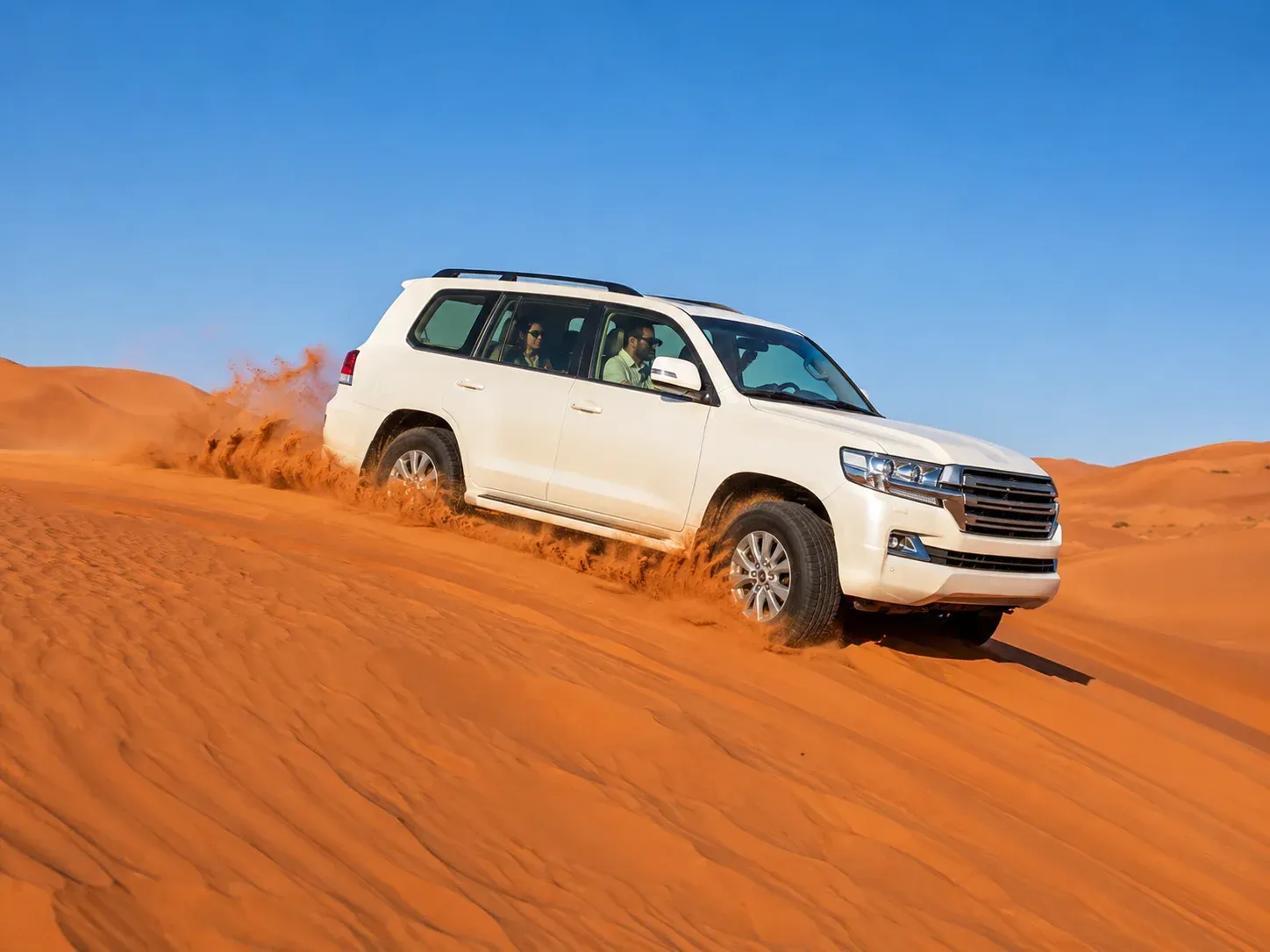
Protective gear deserves attention too. A helmet, eye protection and sensible clothing can make a real difference in sand and dust. Closed shoes are better than sandals, and loose scarves or dangling accessories can be a nuisance around controls. Long sleeves and breathable fabrics help with sun exposure. The aim is not to dress for a film scene, it is to stay comfortable and alert.
Read the terms before committing
The fine print can tell you as much as the vehicle description. Check what is included, what is excluded and what behaviour could end the drive. Rules about route limits, passenger numbers and damage responsibility should be clear before you arrive. If something is unclear, ask for it to be explained in plain language. A vague agreement can turn a small misunderstanding into a difficult conversation later.
Insurance and liability are worth careful attention. Different arrangements may cover different situations, and the details can affect what happens after an accident or mechanical issue. Do not assume that every form of cover works the same way. If documents mention exclusions, read them slowly and ask about anything you do not understand. For mechanical faults, leave diagnosis and repair to qualified professionals. Drivers should not attempt improvised fixes to brakes, steering or other critical systems.
References to Dune Buggy Dubai can be useful when comparing general information, but a name alone should not replace careful questions. The best choice is the one that fits your driving level, group size, preferred pace and tolerance for heat and dust, with safety details settled before the engine starts.
Match the choice to your limits
One common mistake is choosing too much buggy for the day. Extra power can be fun on open ground, but it also magnifies late steering inputs and sudden throttle. A smaller, predictable vehicle often gives a better first experience, especially when the route includes soft sand or families. On the other hand, an underpowered buggy can become frustrating if it struggles on dunes and needs frequent assistance. The middle ground is a vehicle that responds cleanly without demanding constant correction.
Another mistake is judging the day only by the vehicle. Condition, route, briefing, weather and driver judgement all work together. A well chosen buggy in poor visibility is still a poor choice. A cautious driver on a suitable route can have a better outing than an impatient driver in a faster machine.

Make the final decision calmly
When narrowing options, compare them in the same order each time. Look at the driver experience required, the route and time of day, the vehicle setup, the safety arrangements and the written terms. If one option is strong in four areas but weak in one, decide whether that weakness can be resolved before you go. If it cannot, keep looking.
A good self drive experience begins before the first turn of the wheel. Pick a buggy that suits the driver, not the other way around. Keep the pace measured, stay within the agreed route and respect the desert. That approach gives you the best chance of a smooth drive and a day that feels worth the planning.